

Iran has announced that the strategic Strait of Hormuz is open to commercial shipping, but the United States has insisted that its naval blockade on Iran remains fully in force, highlighting ongoing tensions despite signs of de escalation.
Iran’s foreign minister declared on April 17, 2026, that the vital oil transit route was “completely open” following a ceasefire between Israel and Lebanon. The move was seen as a signal of temporary stability in the region and triggered an immediate drop in global oil prices as markets reacted to the prospect of resumed supply flows.
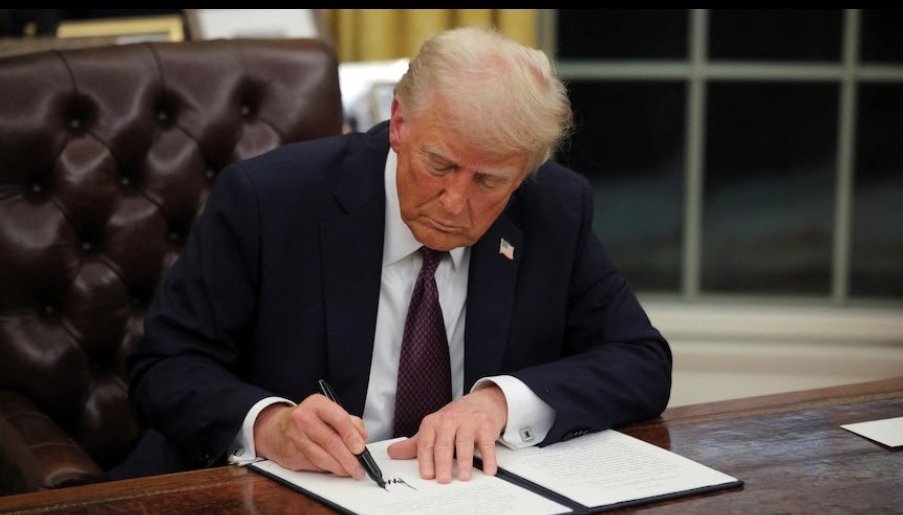
However, U.S. President Donald Trump quickly clarified that while the strait could be open to navigation, the American naval blockade targeting Iranian ports and shipping would continue until a broader agreement with Tehran is reached.
The blockade, imposed earlier in April after failed peace talks, is aimed at restricting vessels entering or leaving Iranian ports, and remains a central pressure tool in the ongoing conflict.
This dual situation has created confusion in global shipping and energy markets. While Iran claims vessels can pass through the strait, the continued U.S. military presence and enforcement actions have raised concerns about safety, insurance risks, and the reliability of the route. Analysts warn that actual shipping activity is unlikely to return to normal levels in the near term.
The situation remains highly volatile. Iran has warned that the strait could be closed again if the U.S. blockade persists, and early reports already suggest fluctuating access and uncertainty for vessels attempting to transit the waterway.
Overall, while the announcement of reopening offers short term relief, the continued U.S. blockade underscores that the broader conflict is unresolved, leaving global markets and shipping operators on edge.