

Nigerian pharmacist and doctoral researcher at McGill University, Chika Onochie, has won a major research award in Québec for his work on developing new ways to assess male fertility.
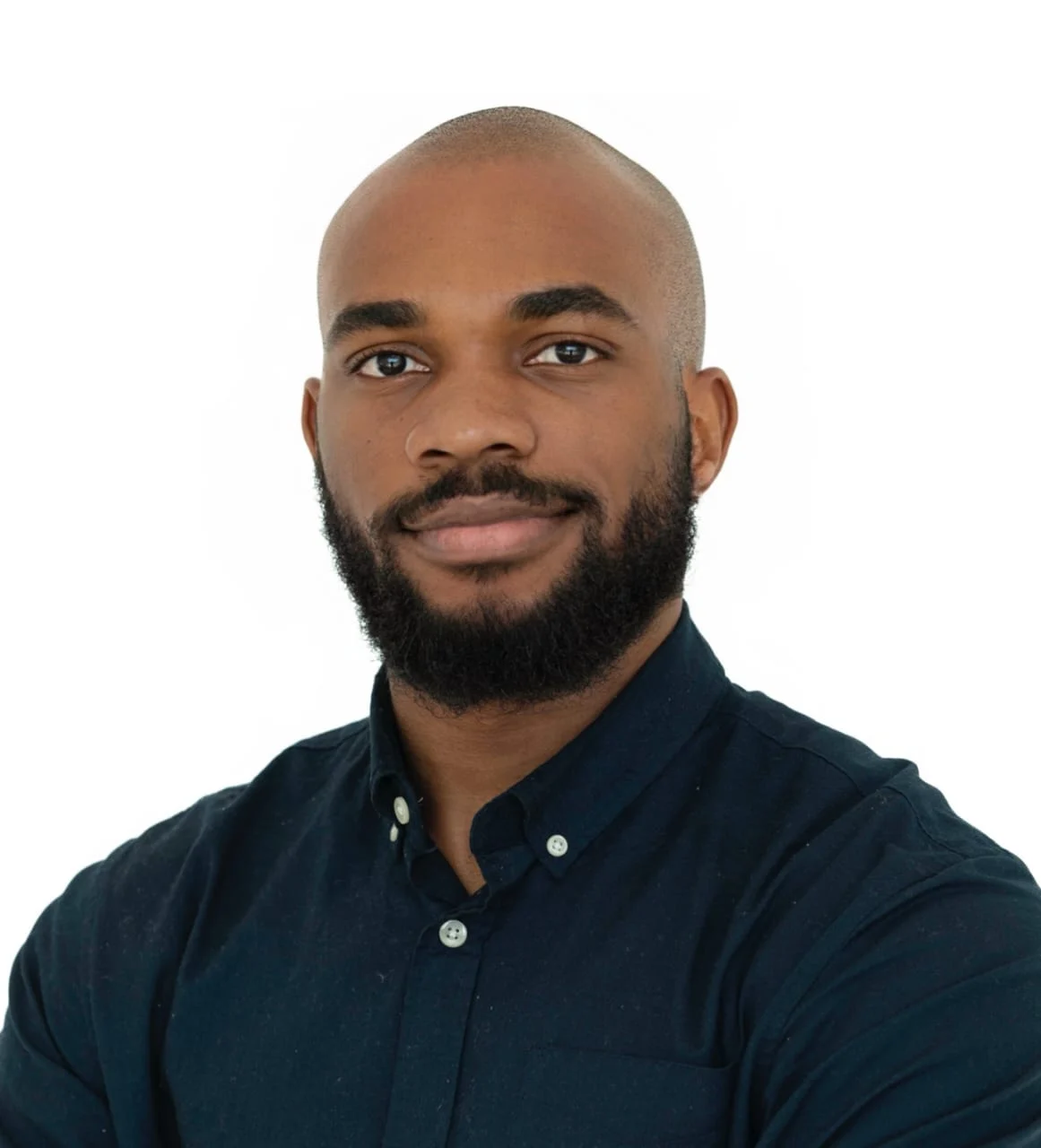
In an official award letter from the school sighted by PUNCH Online on Thursday, the award, valued at up to CAD $100,000, is supporting Onochie’s doctoral research into biomarkers that could provide additional information about male fertility beyond conventional s*m*n analysis.
“Following the positive recommendation of the peer-review committee that evaluated your application, and in accordance with the deliberations of the Board of Directors of the Fonds de recherche du Québec (FRQ), we are pleased to inform you that the scholarship application you submitted under the Doctoral Research Scholarships program in the Fall 2025 competition will receive financial support from the FRQ.
“You will find attached the CAD $100,000 offered, as well as the results obtained for each of the program’s evaluation criteria.
“This award is conditional upon the adoption by the National Assembly of Québec of the necessary budgetary appropriations, in accordance with the provisions of the Financial Administration Act (CQLR, c. A-6.001), and upon decisions of the FRQ Board of Directors related to its strategic planning. The award may be modified at any time, without prior notice,” the letter read.
Onochie’s research focuses on identifying molecular indicators that could reveal whether sperm are functionally capable of fertilisation, an area he says is not adequately captured by routine s*m*n analysis.
His work is being conducted at McGill University under the supervision of reproductive health researcher Prof. Cristian O’Flaherty, whose laboratory focuses on the molecular mechanisms involved in sperm production, function and activation, as well as the development of diagnostic tools for male infertility.
Onochie’s scientific journey began in Nigeria, where he trained as a pharmacist and developed an interest in biomedical research.
He graduated from the University of Benin in 2021 with First-Class Honours, earning Bachelor of Pharmacy and Doctor of Pharmacy degrees. He subsequently worked as a clinical pharmacist before moving to Canada for doctoral training.
In a statement on Thursday, he said his experience in Nigeria exposed him to gaps in the way infertility is sometimes evaluated, particularly in relation to men.
“My training and practice as a pharmacist in Nigeria allowed me to see some of the inequalities surrounding reproductive healthcare firsthand,” Onochie said.
“When couples experienced infertility, women often underwent extensive investigations, whereas evaluation of the man could end with a basic s*m*n analysis examining parameters such as sperm count and morphology.”
That experience, he said, prompted him to investigate what conventional male fertility tests might be missing.