

The rising cost of living in Iran is reportedly affecting even how families bury their dead, with some people selling burial plots they had previously reserved for themselves or relatives to raise money for daily needs.
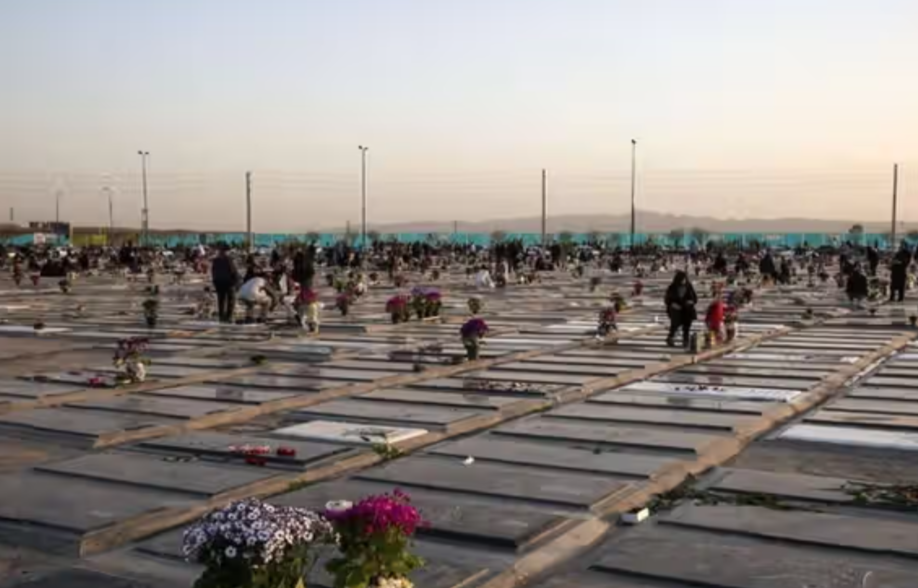
Open trading of graves is not permitted in many Iranian cemeteries, and burial rights are supposed to be transferred through official channels. In Tehran, for example, burial rights must be registered through the Behesht-e Zahra organization. However, listings continue to appear, with some transfers reportedly presented as “gifts” to get around restrictions.
There is no comprehensive official record showing how many such transactions take place or the final prices paid, creating an opaque market.
THE DEAD ARE BEING MOVED TO VILLAGES
Reports from areas around Mashhad and Gorgan say some urban families are taking the bodies of relatives to rural cemeteries where burial is free or cheaper. In one village, residents reportedly built a fence around the cemetery to prevent outsiders from using it.
The pressure is driven not only by inflation but also by limited space in older cemeteries and the high value attached to burial plots near relatives or at significant religious sites.
Meanwhile, some families are selling graves worth years of wages simply to meet their living expenses.
In Kermanshah, one man who had bought a grave beside his brother years ago has now put it up for sale, saying he needs the money for his children more than he needs a place to be buried.