

Court documents seen by Reuters showed that the refinery instituted the suit against Nigeria’s Attorney General, seeking to overturn import permits issued by the Nigerian Midstream and Downstream Petroleum Regulatory Authority (NMDPRA).
Fresh tensions are emerging in Nigeria’s downstream oil sector as Dangote Petroleum Refinery moves to halt the continued importation of petrol into the country through a new lawsuit challenging fuel import licences granted to oil marketers and the Nigerian National Petroleum Company Limited (NNPCL).
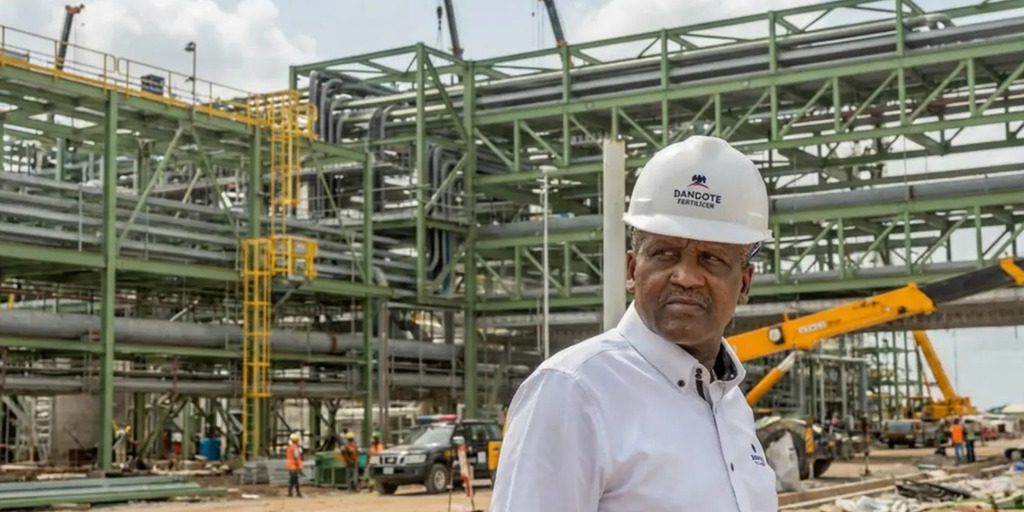
Court documents seen by Reuters showed that the refinery instituted the suit against Nigeria’s Attorney General, seeking to overturn import permits issued by the Nigerian Midstream and Downstream Petroleum Regulatory Authority (NMDPRA).
The legal dispute comes almost a year after Dangote Refinery withdrew an earlier case that similarly challenged the issuance of fuel import licences to the NNPCL and several fuel trading firms.
In the fresh filing before the Federal High Court in Lagos, the refinery asked the court to nullify import permits recently issued or renewed by the NMDPRA, arguing that the approvals violated an existing court order directing parties to maintain the status quo pending determination of the matter.
The NMDPRA had yet to respond to requests for comments as of the time of filing this report.
Fuel marketers and regulators have repeatedly defended the continued issuance of import licences, insisting that petrol imports remain necessary to guarantee adequate supply across the country and prevent shortages in the domestic market.
Dangote Refinery, however, maintained in its court filing that the licences issued this month “undermine its operations” and violate provisions of the law which, according to the company, only permit the importation of petroleum products when local production is unable to meet national demand.
The refinery had in July 2025 discontinued a previous lawsuit challenging similar licences without publicly stating the reason for the withdrawal, leaving unresolved questions over market competition and the future structure of Nigeria’s fuel supply chain.
Nigeria has historically depended on imported petrol due to the long-standing poor performance of state-owned refineries. The Dangote Refinery, valued at about $20 billion and designed to process 650,000 barrels of crude oil per day, was expected to significantly reduce or eliminate the country’s dependence on imported refined products.
Despite the commencement of operations at the facility, fuel importation has persisted, with industry players arguing that imported products are still required to bridge supply gaps as the refinery continues to expand output.
The latest court action is likely to intensify conversations around fuel market regulation, local refining capacity and the broader implementation of Nigeria’s petroleum laws, especially amid growing expectations that domestic refineries should gradually take over the country’s fuel supply needs.
Overttime, there has been tension in the Nigerian oil sector.
SaharaReporters earlier reported that Dangote Petroleum Refinery accused Nigerian upstream oil producers of failing to supply crude oil to the facility as required under the country’s petroleum law, forcing the refinery to rely heavily on international traders who charge additional premiums.
In a statement issued by its management, the refinery said the situation has significantly increased operational costs, even as it struggles to maintain stable fuel supply in Nigeria amid global energy market volatility.
“The high crude cost is compounded by the fact that Nigeria upstream producers have failed to supply crude oil to the refinery as required under the PIA, forcing us to source a substantial portion through international traders who charge an additional premium,” the company said.
The refinery explained that the situation has made crude procurement more expensive, particularly because Nigerian crude oil itself trades at a premium above global benchmark prices.