

UMUAHIA — Former Speaker of the Abia State House of Assembly and All Progressives Congress candidate for the Ikwuano/Umuahia Federal Constituency, Rt. Hon. Chinedum Enyinnaya Orji, has warned that restoring Nigeria’s petroleum subsidy would reverse recent fiscal reforms, reduce revenues available to states and local governments, and return the country to what he described as an unsustainable cycle of borrowing.
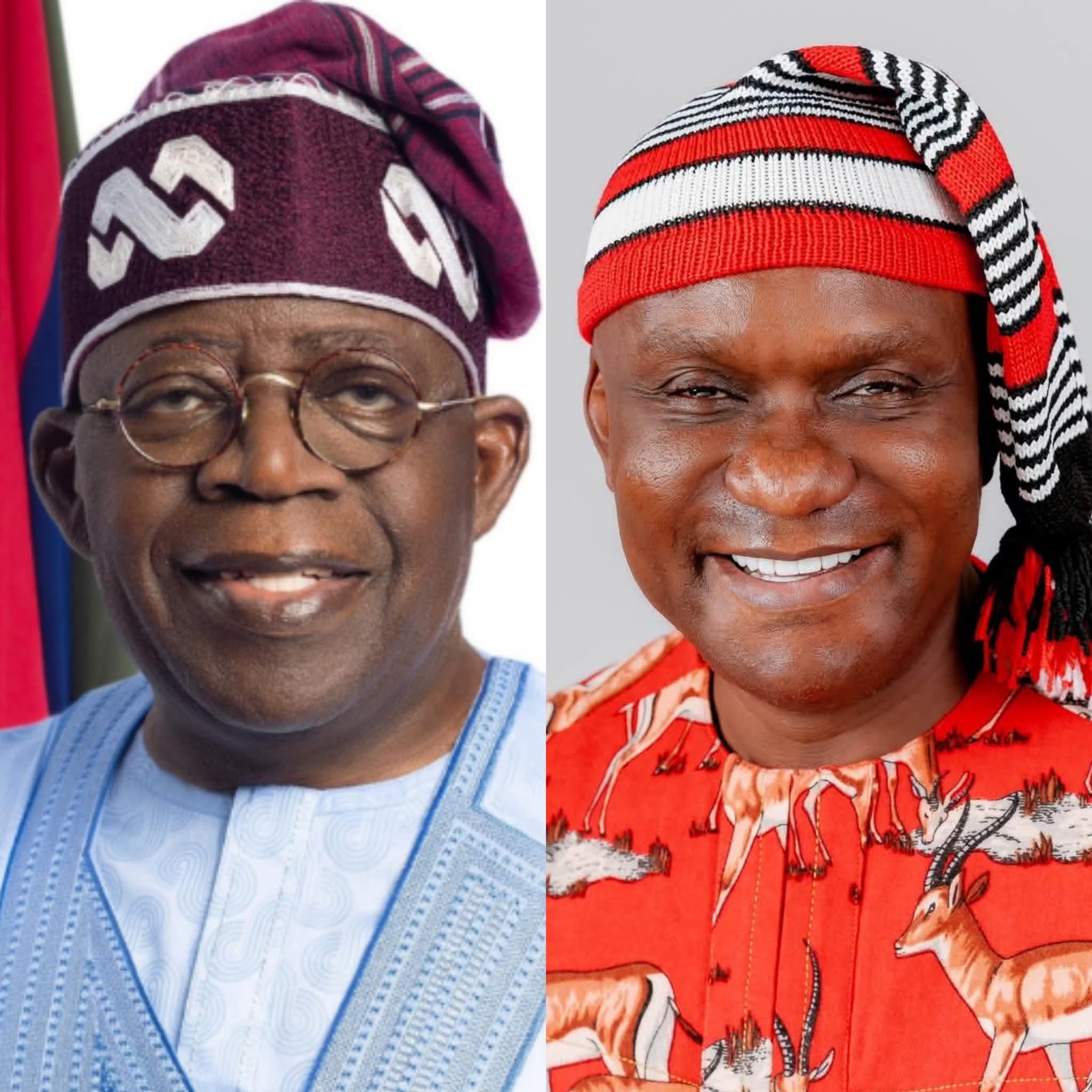
Orji, in an article titled “The Subsidy Myth: Why Restoring It Would Set Nigeria Back,” argued that although the high cost of fuel and transportation has placed significant pressure on Nigerian households, returning to the former subsidy regime would not provide a sustainable solution.
The former Speaker’s intervention comes against the backdrop of recent comments by former Vice President Atiku Abubakar that he would restore the petroleum subsidy if elected President.
According to Orji, the former subsidy regime was presented as a welfare programme for Nigerians but had become vulnerable to abuse, fiscal leakages, smuggling and the interests of marketers and importers.
“For decades, the subsidy was sold as a welfare program for the poor. In practice it became the most expensive welfare program for smugglers, marketers, and a handful of importers,” he wrote.
Orji said one of the major benefits of subsidy removal was the fiscal space created for governments at all levels, noting that subsidy payments had consumed trillions of naira that could otherwise have been deployed to education, healthcare and infrastructure.
He argued that a significant share of the increased revenues now flows through the Federation Account Allocation Committee to states and local governments, giving subnational governments greater capacity to fund public services and development projects.
“The sub nationals are where the difference is being felt most. States and local governments now receive significantly higher monthly allocations,” Orji stated.
He said the additional revenues had enabled governments to fund road projects, improve public services, clear salary and pension arrears, and strengthen security without relying solely on federal intervention.
Orji also argued that subsidy removal had reduced the incentive for cross-border smuggling, which he said flourished when petrol prices in Nigeria were significantly lower than prices in neighbouring countries.
According to him, the removal of the subsidy had also created room for governments to pursue more targeted interventions, including student loans, cash transfers, public transport reforms and investments in compressed natural gas.
“Targeted support is both cheaper and fairer,” he wrote, arguing that blanket fuel subsidies disproportionately benefit wealthier Nigerians and other users with higher fuel consumption.
The former Speaker maintained that the appropriate response to the hardship associated with subsidy removal was not to restore the policy but to improve the implementation and scale of interventions designed to cushion its impact.
“Fair critique. But the solution to poor implementation is better implementation, not abandoning the reform,” he stated.
Orji further warned that a return to subsidy could undermine private-sector investments in refineries, gas infrastructure, CNG conversion centres and related energy projects by reintroducing artificially controlled fuel prices.
He said such a policy reversal could also reduce FAAC allocations to states and local governments, potentially affecting ongoing infrastructure projects and other programmes funded by increased revenues.
“For the sub nationals, a return to subsidy is a direct pay cut. FAAC would shrink again. States would go back to borrowing to pay salaries,” he argued.
On the broader economy, Orji said the subsidy regime had contributed to fiscal pressure, foreign-exchange demand and public borrowing, maintaining that every naira saved from subsidy payments could reduce the government’s borrowing requirements.
He also described the former subsidy arrangement as susceptible to corruption, arguing that restoring it without addressing the governance weaknesses associated with the system could recreate similar problems at even greater cost.
While acknowledging the hardship facing Nigerians, Orji said the focus should be on ensuring that savings from subsidy removal translate into visible improvements in transportation, healthcare, education and other forms of targeted support.
“Nigeria does not need a return to the past. We need to finish the work of this reform,” he wrote.
He said the government should strengthen transparency in the use of increased revenues, audit state spending and scale targeted support to ensure that vulnerable households benefit more directly from the country’s fiscal reforms.
Orji concluded that restoring the subsidy would amount to reversing what he described as one of Nigeria’s most significant fiscal corrections in decades.
“Alhaji Atiku is a respected Nigerian, but on this point he is wrong. Restoring subsidy would hurt the states, weaken the naira, and put us back on the borrowing treadmill,” he stated.
“The better path is forward. Keep the subsidy gone. Let the sub nationals keep the resources. And let government prove that the savings can translate into tangible relief. That is how we turn pain into progress.”