

In a development that could signal a new chapter for Africa’s artificial intelligence industry, Nigerian technology company Bluechip Technologies has acquired local AI startup YarnGPT, a homegrown platform designed to convert text into speech using Nigerian accents and indigenous languages.
The announcement was made by Bluechip Technologies Chief Executive Officer, Kazeem Tewogbade, during the 2026 Bluechip Data and AI Summit, where the deal was presented as more than just another corporate acquisition. For many observers, it represents proof that African innovators can build globally relevant technologies by solving local problems.
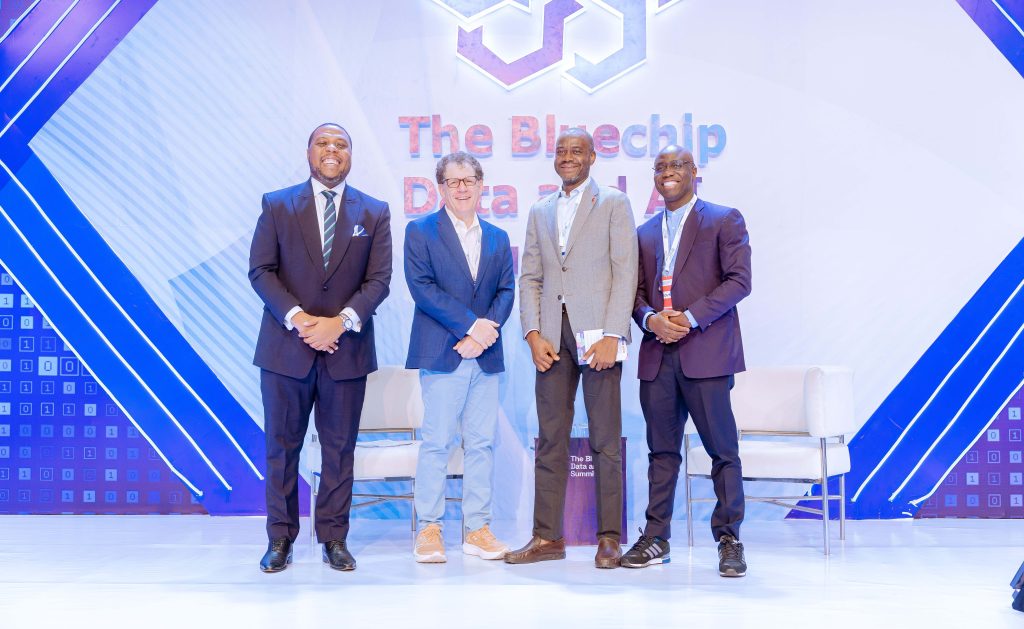
YarnGPT attracted attention after its founder, Saheed Azeez, a graduate of the University of Lagos, emerged as the first runner up at the Bluechip Data and AI Hackathon in 2023. What started as a hackathon project has now grown into an AI product valuable enough to be acquired by one of Africa’s leading technology companies.
Unlike many global AI tools that focus primarily on Western languages and accents, YarnGPT was built with African users in mind. The platform can read text using Nigerian accented English and local languages such as Yoruba, Igbo, and Hausa, making it more accessible and culturally relevant for millions of users.
Speaking at the summit, Tewogbade said the acquisition aligns with Bluechip’s strategy of expanding its technology ecosystem through innovation, product development, and strategic acquisitions. YarnGPT now joins the company’s growing portfolio of technology products alongside Bluechip Data Platform, Cribro, BluPrime, and CashComplete.
Industry analysts believe the acquisition is significant because it demonstrates that African startups do not have to rely solely on foreign markets or imitate solutions developed abroad. Instead, they can create products tailored to local realities and still attract investment, commercial partnerships, and acquisition opportunities.
Bluechip Technologies co founder, Olumide Soyombo, also highlighted Africa’s greatest advantage in the global AI race, its young and growing pool of technology talent.
According to him, while Africa may not yet compete with developed countries in building trillion dollar AI infrastructure, it possesses something equally valuable: a generation of innovative young people capable of creating solutions for the continent and beyond.
Founded 18 years ago, currently operates across nine African countries and serves more than 50 corporate clients. The acquisition of YarnGPT marks the company’s deeper move into AI product ownership and development.
Beyond the business implications, many see the deal as an encouraging message to young African developers. It shows that a good idea, backed by innovation, persistence, and local relevance, can evolve from a competition project into a commercially valuable technology company.
As artificial intelligence continues to reshape industries worldwide, the YarnGPT acquisition may serve as a reminder that Africa’s future role in AI will not be defined by copying global trends, but by building solutions rooted in its own languages, cultures, and realities.