

Olubunmi Tunji-Ojo, minister of interior, says the federal government cannot singlehandedly unlock the full potential of Nigeria’s correctional system.
Tunji-Ojo spoke on Tuesday at a stakeholders’ roundtable on strengthening public-private partnerships in the Nigerian correctional system.
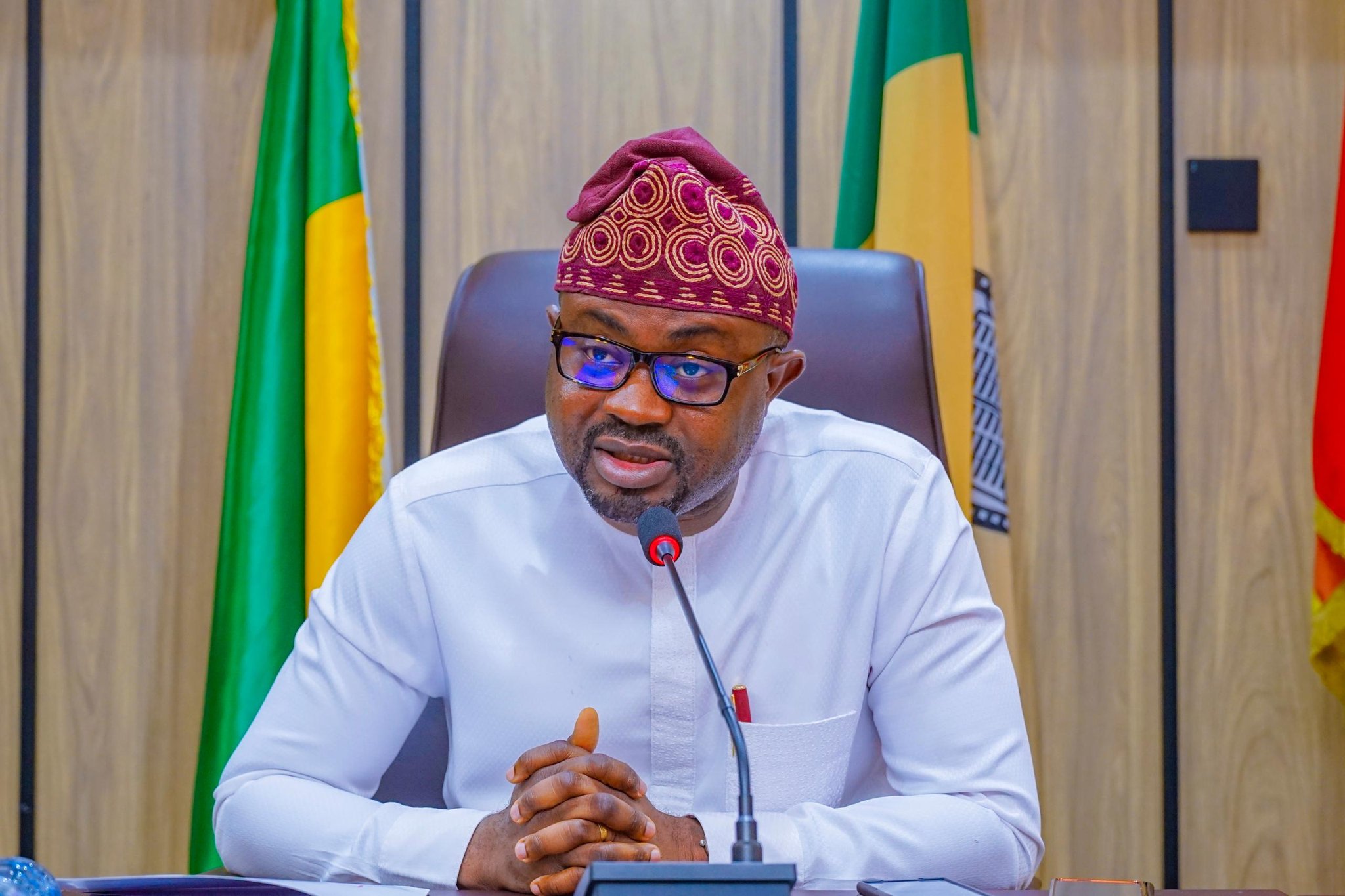
He was represented by Magdalene Ajani, the ministry’s permanent secretary, at the event organised by Hope Behind Bars Africa (HBBA) in collaboration with the Nigerian Correctional Service (NCoS).
The minister said collaboration with private sector players, civil society and development partners is now unavoidable.
“It is an undeniable reality that government resources alone cannot fully unlock the vast potential lying dormant within our correctional system,” he said.
“This has made the public-private partnership transition from being a mere policy option to an indispensable strategic imperative.”
The minister said the government is shifting from a custodial approach to a rehabilitation-focused system, where correctional centres serve as hubs for skills development and economic productivity.
“We have moved decisively beyond the arcane view of incarceration as mere custodial protection. The ultimate goal is not just secure custody, but the deliberate cultivation of disciplined, skilled, and productive citizens” he said.
Tunji-Ojo highlighted agriculture as a key entry point for such partnerships, adding that correctional farm centres could be transformed into modern agribusiness hubs.
“Our correctional farm sectors can and should be transformed into highly productive agricultural hubs. This is not just about feeding our facilities. It is about cultivating a new generation of skilled agri-breeders,” he said.
The minister added that structured partnerships could also expand vocational training, equipping inmates with “verifiable, marketable skills” in sectors such as construction, ICT and manufacturing, ultimately turning them into “job creators” rather than job seekers.
The roundtable focused on HBBA’s farming justice project, which aims to reposition prison farms as rehabilitation-driven agricultural centres contributing to food security and reintegration.
In her opening remarks, Funke Adeoye, the executive director of HBBA, said the initiative aligns with provisions of the Nigerian Correctional Service Act 2019, which mandates rehabilitation and encourages collaboration with non-state actors.
“What we are witnessing today is the implementation of a legal framework that recognises that correctional outcomes are strongest when the state works in partnership with others,” she said.
She noted that the project, supported by the European Union and International IDEA under the Rule of Law and Anti-Corruption (RoLAC) programme, is already being implemented in custodial centres across Abuja, Lagos and Edo.
She said inmates involved in the programme are engaged in structured agricultural production, including crops such as pepper, okra and maize, as well as fish farming.
“Often, the media focuses on the gory or challenging sides of inmate rations. But instead of showing only those difficult sights, we can also show sights of hope: inmates cultivating their own healthy food, earning from their efforts,” she said.
Sylvester Ndidi Nwakuche, comptroller-general of NCoS, said the service currently operates 18 farm centres and 10 cottage industries across the country, covering about 10,000 hectares of land.
He said these facilities already produce crops including rice, cassava and maize, while also serving as platforms for vocational training.
“Through well-structured collaborations, we can leverage private sector expertise, innovation, and capital to enhance productivity,” he said.
Also speaking, Danladi Plang, programmes manager at International IDEA, said partnerships are critical to addressing gaps in Nigeria’s criminal justice system.
“It’s not possible that government alone can deal with all the problems that we’re having… these partnerships are therefore important,” he said.