

Stakeholders in the maritime sector have raised alarm over the possible impact of the escalating crisis in the Middle East on cargo traffic to Nigerian ports, warning that the situation could disrupt shipping routes and push up import costs.
Shipping companies, freight forwarders and other port users said prolonged conflict in the region could also worsen inflation in Nigeria if it continues to affect global shipping operations.
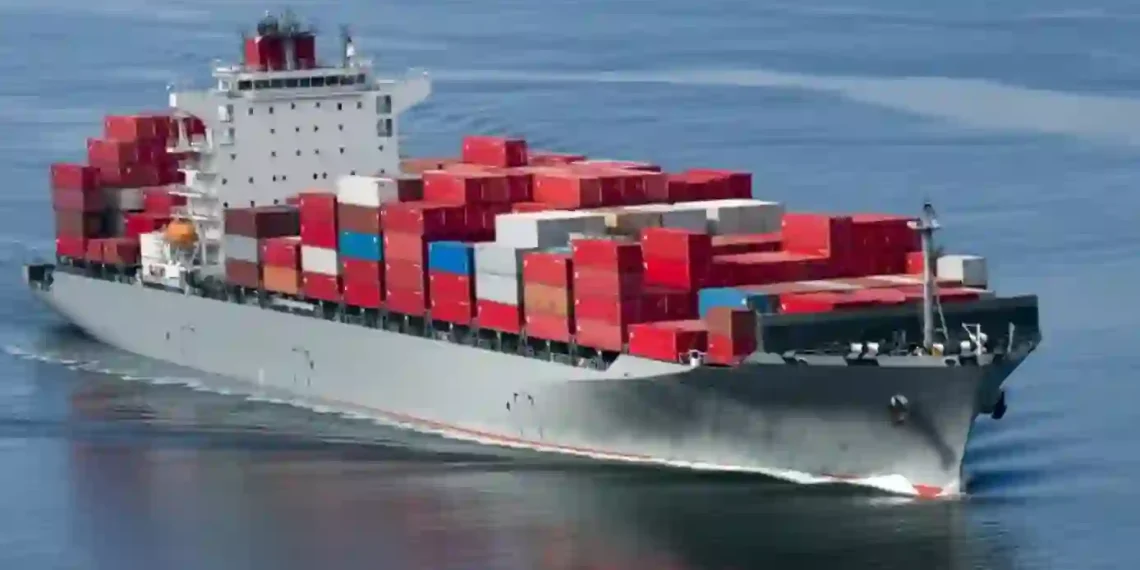
Speaking on the development, Chairman of the Shipping Association of Nigeria (SAN), Boma Alabi, said the crisis has already started affecting the shipping industry and may continue to drive up operating costs.
According to her, rising insurance premiums and other operational expenses are being triggered by the closure of the Strait of Hormuz and growing security threats around the Red Sea and the Suez Canal.
“It has already begun to impact the industry and will likely continue,” she said. “Costs are rising because insurance premiums and other charges have increased due to the closure of the Strait of Hormuz and heightened security risks around the Red Sea and the Suez Canal.
“Ships now have to travel longer routes to reach Europe, which increases bunker costs, while War Risk Insurance has also been introduced.”
Also commenting, former Vice President of the Association of Nigerian Licensed Customs Agents (ANLCA), Dr. Kayode Farinto, said France has reportedly declared force majeure in its shipping sector due to the intensifying conflict.
Farinto warned that many shipping lines may soon introduce War Risk Insurance surcharges on cargo bound for Nigeria, which would further raise import costs.
“These additional charges could range between $3,000 and $4,000 per container, and that will have serious implications for an economy like Nigeria’s,” he said.
A maritime consultant, Daniel Odibe, also cautioned that shipping companies may begin prioritising more profitable European routes over West African markets if the conflict persists.
“Shipping firms will naturally prefer routes that generate higher returns. If the war continues, they may divert vessels to European markets where freight rates are more attractive,” he said.
Odibe added that many goods shipped to Europe from China could bypass the Strait of Hormuz by taking alternative routes through South Africa and West Africa.
Meanwhile, some importers said they are already reviewing their business strategies as uncertainty surrounding the Middle East crisis continues to affect global trade and shipping operations.