

It is becoming more obvious that a Litre of petrol in Nigeria may hit N1,800 in the coming week a top refinery source has confided in LEADERSHIP.
The source close to global crude market operations projected that crude price may hit $100 a barrel this week going by the turn of events in the Hormuz Straight a major crude transportation artery as Iran sustains attack around the Middle East region.
Dangote had already responded by adjusting its gantry price.
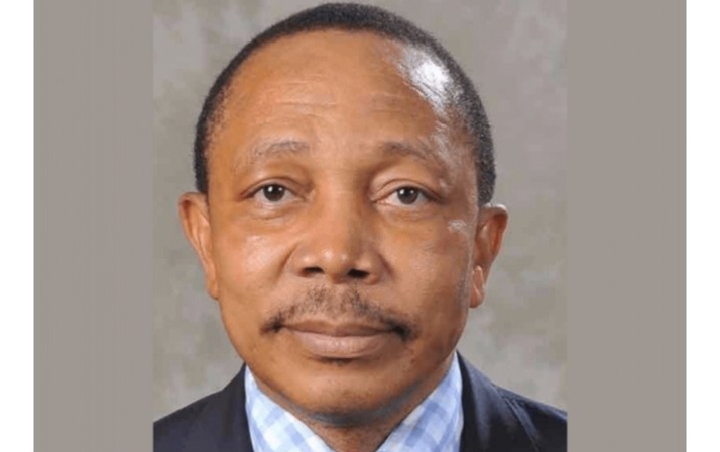
Spokesman of the Dangote Refinery, Anthony Chiejina in a conversation with our correspondent on Saturday expressed deep concern over the escalating conflict in the Middle East and the corresponding level of crude oil price.
Chiejina, said the refinery buys crude in dollar and hinted that cost of freight and insurance has reached record level and as such operational costs are higher than before.
The situation is increasingly difficult for operating entities but assured the management would continue to honour its obligations to the Nigerian people.
Meanwhile, the Petroleum Products Retail Outlets Owners Association of Nigeria (PETROAN) has called on the Group Chief Executive Officer of the Nigerian National Petroleum Company Limited (NNPC Ltd.), Engr. Bayo Ojulari, to urgently facilitate the commencement of production at Nigeria’s local refineries.
The national oresident of PETROAN, Billy Gillis-Harry, made this call at Ignatius Ajuru University of Education, Port Harcourt, while delivering a keynote address on the theme “Deconstructing Energy Trilemma,” organized by the Department of Petroleum Economics and Policy Studies.
According to the PETROAN President, the ongoing conflict involving Israel, the United States, and Iran is driving global petroleum prices to extremely high and alarming levels. He noted that persistent drone and missile attacks pose serious threats to the Strait of Hormuz, a vital shipping route that accounts for about 30% of global crude oil transportation.
The situation is worsening. Before the war, PMS sold at ₦774 per litre.
Currently, as tensions intensify, PMS sells between ₦950 and ₦970 per litre.
This represents an overall increase of about 25 per cent to PMS.
For AGO (Diesel), the price was ₦950 per litre before the war but has risen to ₦1,400 per litre today.
Diesel has therefore recorded an increase of about 47 per cent.
He emphasized the urgent need to rehabilitate Nigeria’s local refineries to enable immediate production. He explained that domestic refining would reduce exposure to international market shocks, since crude oil is abundantly available under the custody of NNPC Ltd. Local refineries, he said, are less vulnerable to global disruptions compared to privately owned refineries that rely on imported crude.
The PETROAN President warned that if the conflict persists, PMS could rise to nearly ₦1,500 per litre, while AGO may exceed ₦2,000 per litre in the near future. As PMS remains a critical commodity for Nigerians and AGO is essential for manufacturing and industry, further increases would worsen inflation, raise transportation costs, and drive up prices of goods nationwide.
Dr. Gillis-Harry assured Nigerians that the reform policies of Bola Ahmed Tinubu will ultimately bring relief to citizens and stimulate economic growth.