

A Nigerian senator has raised serious concerns about the alleged use of fintech platforms, particularly Moniepoint, by fraudsters during a committee screening session in Abuja.
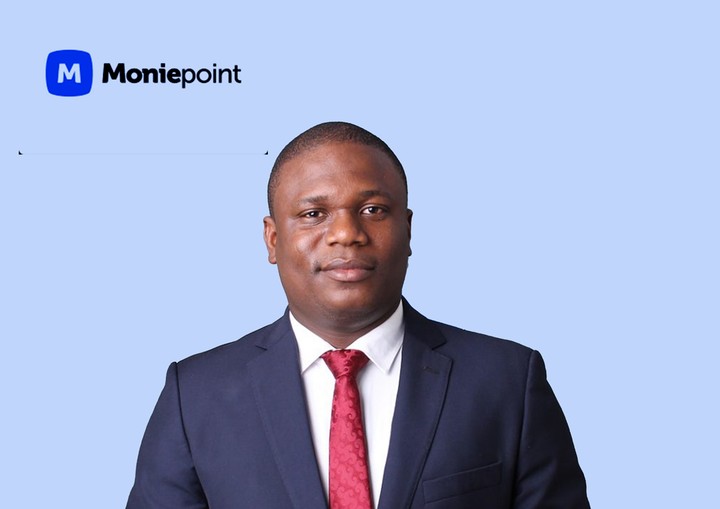
The lawmaker directed his question to moniepoint CEO Tosin Eniolorunda, recounting a personal experience in which he said cybercriminals exploited his phone and used a Moniepoint account to collect money from unsuspecting victims.
Speaking during the session, the senator narrated how he was deceived by a fraudster who called him and asked him to provide certain numbers.
“As somebody that is analogue, I was so gullible,” the senator said. “Somebody called me and told me to give him some numbers. I gave him the numbers and suddenly I could no longer access my WhatsApp platform.”
According to him, the situation only became clear after he informed his daughter, who quickly realized that his account had been hacked.
“She said, ‘Daddy, you have been hacked.’ I asked, ‘What is hacked?’ She said we should quickly act so it could be reversed,” he explained.
However, before any recovery steps could be taken, the hacker had already begun exploiting the compromised account.
The senator claimed that the fraudster used his phone number and identity to solicit money from several contacts, some of whom allegedly transferred funds to an account on the Moniepoint platform.
“Before the reversal, the man that hacked my telephone had already succeeded in collecting millions from people,” the senator said.
He further alleged that similar incidents reported by colleagues and other victims frequently involved accounts linked to fintech platforms such as Moniepoint and OPay rather than traditional commercial banks.
“From experience and from what other people have told us, such people normally use OPay and Moniepoint,” he said.
The lawmaker questioned why fraudsters appear to prefer fintech platforms over conventional banks, suggesting that accessibility and the absence of widespread physical branches could be contributing factors.
“My question is: what is the attraction for using Moniepoint and OPay rather than conventional banks? Is it because it is difficult to see you physically?” he asked.
He also called for stronger regulatory oversight of fintech companies to ensure victims of digital fraud have clear channels for lodging complaints.
“There is a need for proper regulation of the way these platforms operate so that when something happens, people know where to go physically to make their complaints,” he added.
Fintech platforms such as Moniepoint have grown rapidly in Nigeria in recent years, providing digital payment services, agency banking, and financial technology solutions to millions of users. However, the expansion of digital financial services has also increased concerns about cyber fraud, identity theft, and the misuse of payment platforms by criminal networks.
Industry experts have repeatedly stressed that fraudsters often exploit social engineering tactics, such as phone calls and phishing messages, to gain access to victims’ accounts, rather than vulnerabilities in the platforms themselves.
The comments made during the committee session have reignited discussions about the need for stronger cybersecurity awareness, improved user verification systems, and stricter regulatory frameworks to curb digital financial crimes in Nigeria.