

Intelligence at the highest levels has reportedly played a decisive role in a recent operation that has shaken the Northwest region of Nigeria. At the center of this story is Bello Turji, a name that has long symbolized the inability of the Nigerian state to protect its citizens from armed banditry and violent crime.
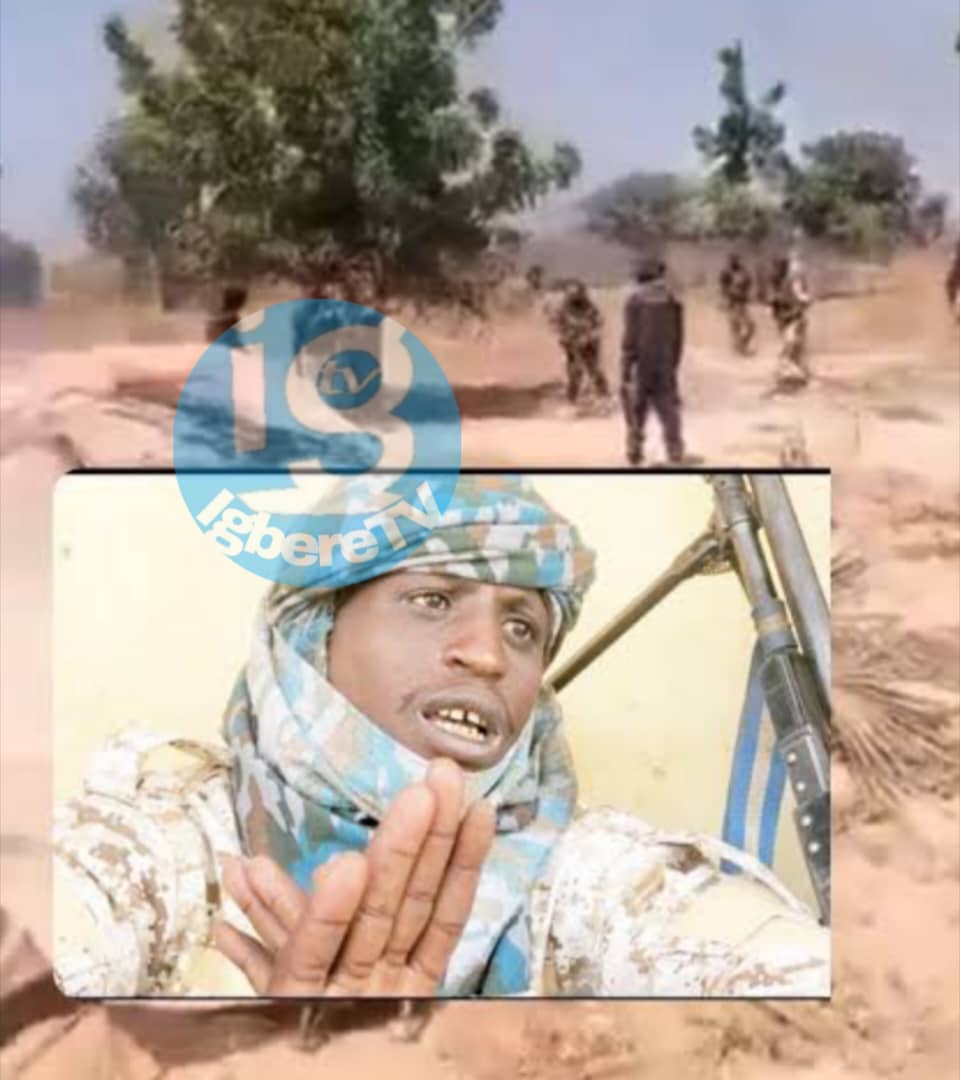
According to multiple sources, a recent US-led strike targeted known strongholds of armed gangs, resulting in the elimination of three high-profile figures behind mass kidnappings, village raids, killings, and widespread terror across Zamfara, Sokoto, and neighboring areas. These were not ordinary criminals, they openly defied the authority of the Nigerian government, extorted communities, and operated with brazen confidence for years.
Bellow Tuji’s notoriety is significant. He has appeared in videos, given interviews, threatened communities, and openly mocked government efforts to stop him. His activities have displaced thousands, destroyed livelihoods, and created a climate of fear across the Northwest. For many Nigerians, the swiftness of this strike by a foreign power raises a troubling question: if he could be located and eliminated now, why was decisive action not taken years ago?
The controversy deepened when the Nigerian government confirmed its role in the operation. Officials acknowledged intelligence cooperation with the United States, indicating that Nigerian authorities provided information that helped identify the targets and their locations.
In an official statement, the federal government said:
“The government of Nigeria, in close coordination with the United States, has successfully conducted precision strike operations against major ISIS-affiliated enclaves in the Bi-axis of Tangaza local government area, Sokoto State. The operation was executed following intelligence confirming these locations were used by foreign ISIS elements to plan large-scale attacks in Nigeria. The strikes were carried out under established command structures, with full involvement of the Nigerian armed forces and oversight by relevant ministers and the Chief of Defense Staff. No civilian casualties were recorded.”
This confirmation is important because intelligence sharing is a highly deliberate process. It involves detailed surveillance, verification, and authorization. Cooperation is not casual; it requires clear understanding of targets, operational data, and objectives.
Yet, confusion arose shortly afterward. Daniel Bala, a senior government spokesperson, publicly stated:
“The government does not know the specific group or individuals the United States attacked.”
This statement directly contradicted earlier confirmations, creating a serious credibility gap. Intelligence is never vague; providing operational coordinates and target data requires precise knowledge. When officials claim ignorance about who was struck after confirming cooperation, it raises uncomfortable questions.
Nigerians are now left wondering whether the government is being truthful about its involvement, or if different arms of the state are operating independently and contradicting one another on matters as sensitive as foreign military action on Nigerian soil. Both scenarios are worrying. If the government truly did not know the targets, why share intelligence at all? And if they did know, why deny it publicly?
This inconsistency affects public trust, accountability, and the perception of Nigeria’s control over its own security. Allowing a foreign military to conduct strikes on Nigerian soil is a serious decision, demanding clear objectives and full ownership of outcomes. Mixed messages from officials only create the impression of confusion or lack of coordination.
Another pressing question lingers: why did it take a foreign power to neutralize figures like Bellow Tuji, who have terrorized communities for years? Their activities have been widely documented, yet decisive action always seemed delayed, incomplete, or absent. This sudden elimination by foreign forces suggests either political hesitation or institutional weakness within local security structures.
While most Nigerians welcome the removal of violent criminals, the operation’s impact is overshadowed by questions of transparency and governance. Success in security operations must be paired with clarity and accountability. Without it, even victories can spark suspicion rather than confidence.
For now, the public waits for answers: did Nigeria know who was targeted, or not? Did it provide intelligence, and if so, why deny it afterward? Until these questions are addressed, the operation remains a story of both achievement and controversy, a stark reminder of the challenges Nigeria faces in managing security and trust in leadership.