

A Nigerian couple, Luciana and Femi Akanbi, have each been jailed for three years and nine months in the United Kingdom after being convicted of a sophisticated tax fraud scheme that cost the public purse more than £433,000.
A report by Kent Live detailed how Luciana, a 38-year-old mother of three who had worked in Transport for London (TfL)’s human resources department since 2017 as a business service call advisor, abused her position to access the personal records of 107 colleagues.
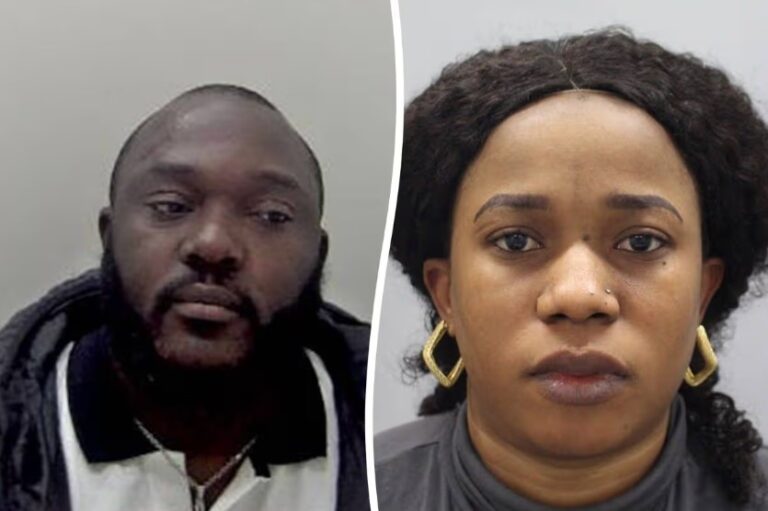
She and her 51-year-old husband, Femi then used the passport numbers, National Insurance numbers and bank details of at least 40 TfL employees to submit 139 fraudulent self-assessment tax rebate claims to UK’s tax authority, His Majesty’s Revenue and Customs (HMRC), between September 2021 and January 2022.
The Woolwich Crown Court heard how the couple, who lived in Dartford, Kent, set up the false claims using 38 different computer devices from their home and other locations.
The money obtained was almost immediately funnelled through a complex money-laundering scheme, making recovery impossible.
Court records showed £66,000 was paid into Femi’s bank account and £16,000 into Luciana’s, with more than £50,000 directed into gambling accounts linked to Femi’s addiction.
Judge David Miller described the offence as “the worst ever data breach” in TfL’s history.
In his sentencing remarks, the judge told the couple: “TfL suffered their worst ever data breach. It meant they had to change their systems. It affected their morale, I am told, and staff performance…
“The money lost to HMRC amounted to just over £433,000. That money was almost instantly dissipated in a complex money laundering scheme.”
The judge added that Luciana Akanbi had “abused the trust of (her) employers” and that both defendants were “jointly responsible for not only the intended loss but the actual loss to the public purse”.
He noted the “immense damage to third parties”, including impacted credit ratings and the need for victims to deal with HMRC and rearrange their finances.
Prosecutor Andrew Evans told the court the fraud was “sophisticated in nature, required significant planning and involved a large number of victims”.
Luciana Akanbi attempted to shift blame to her husband’s cousin who worked in IT but the judge held that both defendants were central to the scheme, stating that the fraud was only possible because of the access granted to Luciana as a trusted employee.
Following the ruling, an HMRC spokesperson said, “This should act as a warning to others that we can and do act against anyone who tries to undermine the tax system and steal money that funds public services.”
A representative for TfL said it has introduced tighter controls on staff data access after the breach.
The judge made no compensation order, noting the couple had no means to repay the money, and observed that they may be liable for deportation, a decision to be taken by the Home Office.